|
Our Mother & Child Welfare Program
Care of mothers and their infants is the core ministry of the Medical Missionaries of Mary. There are so many aspects to this work that it can be difficult to describe in a few words! In every mission you will find several elements of the wide range of services needed, depending on the place. Here are just a few examples:
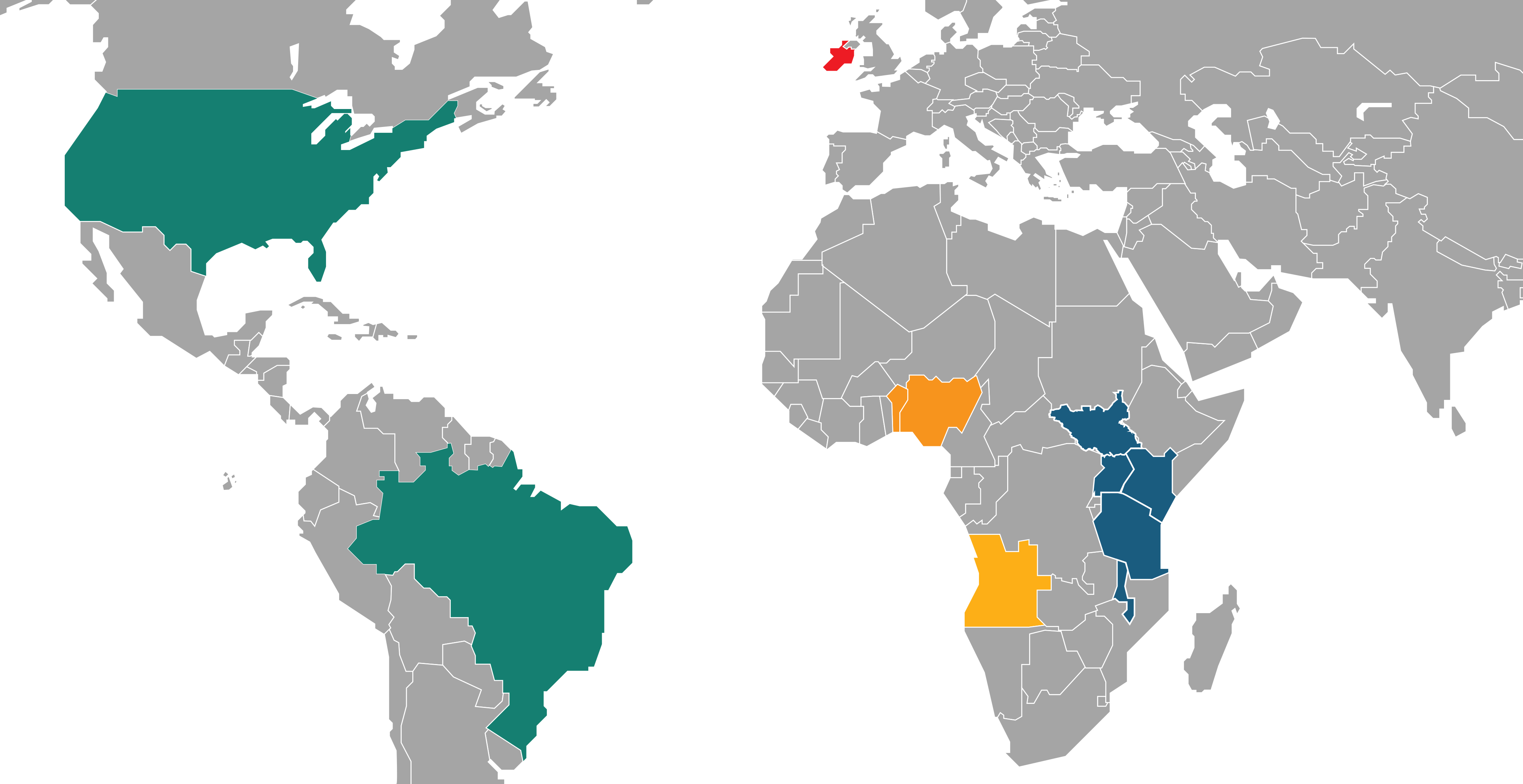
Mile Four Hospital, Nigeria: When Mile Four Hospital near Abakaliki in Nigeria, was founded back in 1946 the main focus was to detect, treat and eradicate Hansen's Disease (Leprosy). Several wives of the men in the Leprosy Village were pregnant, so a small maternity unit was built. Before long, women from all that rural area were coming for help, leading to the expansion of services. Today, while Hansen's Disease has been brought under control, the Hospital work continues with 52 maternity beds, 32 pediatric beds and 7 nursery cots.
When you think of an ante-natal clinic, perhaps you think of a long line of women sitting and waiting. But not so at Mile Four! A visit to the clinic includes an invitation to prayer, then dance, health rallies including information about HIV and AIDS, so nobody finds the time passing till it is their turn to see the doctor.
Drama - an educational tool: On the outskirts of Abuja, capital of Nigeria, you will find a settlement called Aco Housing Estate at New Lugbe on the Airport Road. Here, drama is used as an educational tool at all the clinics, education talks and workshops. Ante natal clinics are held both at the base clinic and in our wide outreach program. The under-fives clinic monitors small children, nutritional support including infant feeding formula is provided.
This work is also part of the national immunisation program, which is implemented three days a week at outreach stations, and once a week in the base clinic. Other elements of care of mothers and infants include family planning advice, classes on natural family planning, helping married couples solve their problems, and providing social care, for instance to families whose homes and trading posts have been demolished because they were squatting, and have lost everything.
Family Issues: Sister Leonie McSweeney is an MMM doctor who has devoted herself to the Pro-Family Life Association of Nigeria for many years. One of her big concerns is overcoming false beliefs, like the idea that intercourse is not possible during breast feeding.
She says:'Reports from many States suggest that our teaching is bearing fruit. This helps avoid infidelity during breast feeding, which could result in HIV which would later reach the mother and a future child.' Sister Leonie has written widely on these taboos, and has appeared on national TV with appropriate education in this field.
In Uganda, our mother and child care has even more dimensions. It reaches to the provision of palliative care for children with serious illness, as well as their mothers. Children who have become orphans through AIDS are helped through the difficult years of growing up with the Farm Schools specially established to meet their needs. You can read more about the Farm Schools here, and more about Palliative Care services here.
In the south-west of Rwanda, among a rural population of 9,414 people MMM places great emphasis on the treament of mothers and children. Each month they have about 35 uncomplicated deliveries. Problems picked up at the antenatal clinics are referred to the nearest hospital in good time. Antenatal services at the outreach health posts ensure that antenatal care is easily accessible to mothers living a long distance from the health Centre. You can read more about our work at Kirambi Health Centre here.
Robust Maternity Service: In Malawi, our sisters write from Chipini Health Centre that they a running a 'robust maternity service'.This is part of the Malawi Government's program to provide free trreatment to pregnant women. Prevention of Mother-to-Child Transmission of HIV is a key concern.
Child Welfare Clinics, participation in the WHO Expanded Program of Immunization, providing nutrition for babies who are orphans and those whose mothers are HIV-positive. Out-patient and In-patient care is also provided for sick babies and children. You can read more on this by visiting the section on Malawi on this website.
Makiungu Hospital in Tanzania has a very hard-working Team with responsibility for Mother and Child Care. Treatment is free for pregnant women and children under five.
The program includes the prevention of Mother-to-Child transmission of HIV, and is part of the nation-wide immunisation programme, in cooperation with government health services. Sister Maria Borda is the resident obstetrician at Makiungu. You can read more about these services by visiting the section on Tanzania on this website.
St. Mary's Medical Centre at Kapsoya, on the outskirts of Eldoret in Kenya, provides ante-natal care and an under-fives clinic, with the whole range of immunization services and curative care for mothers, infants and children. More than that, the 3 MMM Sisters and 17 local staff care for more than 1,000 children who have become orphans through HIV or violence and displacement. The children may live with a lone grandparent, or in a child-headed household, but are monitored constantly and always welcome for help with their health and educational needs - receiving nutrition, school fees, school books, uniforms and a place where they can recreate and study.
On the other side of the ocean, in Brazil and Honduras, mothers and children also receive support in their health needs. In Honduras, the center known as 'Casa Visitacion' looks after ante-natal care and runs a well baby clinic, but also reaches to other needs.
Health Comittees are trained for work in the outlying parishes. Home visits are made regularly. Support and advice is provided to those who are victims of family disintegration or domestic violence.
You can read more by visiting the sections on this website covering our work in Brazil and Honduras.
Last modified: Friday, September 11th, 2009
|